
Motors, Pumps, And Compressors
Monitor changes in vibration, temperature, pressure, runtime, or power use, and find conditions that may need inspection before performance drops further.
Reduce unplanned downtime by finding signs of equipment trouble before a major failure. Mimasa AI connects machine readings, operating history, maintenance logs, and production data, then helps teams detect unusual conditions, assess risk, and start the right maintenance workflow.
On-premise, private cloud, or cloud · Role-based access · Human approvals · Audit trails
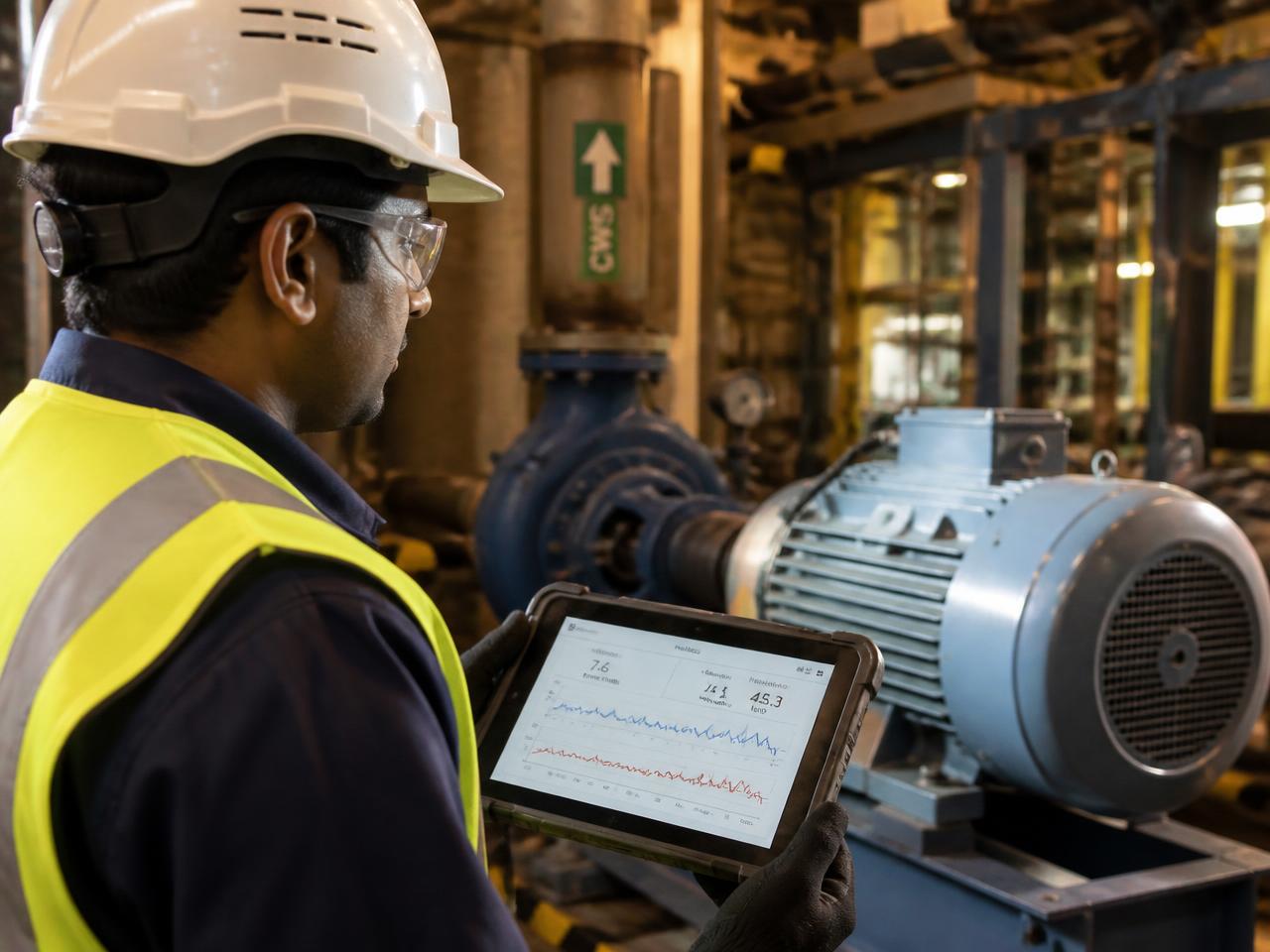
An unexpected machine failure can stop more than one asset. It can delay production, affect quality, increase overtime, and disrupt customer delivery.
Many plants still depend on two basic approaches: repair the machine after it fails, or service it on a fixed calendar. Both have limits.
Reactive maintenance acts too late. Fixed schedules may service healthy equipment while missing a problem that develops between planned checks. Predictive maintenance uses actual equipment and operating data, so maintenance teams can decide what may need attention and when.
Mimasa AI adds agentic workflow automation to that decision, moving from a risk signal to an alert, inspection task, approval, or planned service action.
Predictive maintenance is a data-based approach to equipment care. It looks for changes that may point to wear, failure, or poor performance. The system may use data such as:
A predictive maintenance software system does not guarantee that every failure will be found. It gives maintenance teams earlier signals and better context for action.
Six connected steps take plant data from monitoring to an approved maintenance action, with the evidence and decision kept together for review.
Bring together machine logs, sensors, historians, MES, ERP, maintenance tools, and shift records. Mimasa AI works as an intelligence layer and does not require a full replacement of plant systems.
Combine current readings with past events, service history, production load, and machine context, so teams see behaviour over time instead of a single sensor value.
Use configured limits, business rules, statistical methods, or machine-learning models to find rising temperature, vibration outside range, longer cycle times, or repeat error codes.
Weigh the signal with asset criticality, the current production plan, backup capacity, open orders, spare-part availability, and past failure patterns.
Suggest a defined action based on your rules and available evidence: inspect the machine, check a named component, increase monitoring, or plan work during the next stop.
Send the recommendation to an authorised employee. After approval, the workflow can create a task, notify a team, or update a connected system, with every step recorded.
Plant and enterprise sources are brought together through data extraction and connectivity and prepared with no-code data transformation, so equipment signals sit beside maintenance and production context.
Start with the assets where failure hurts most, then extend across the plant as the workflow proves itself.
Monitor changes in vibration, temperature, pressure, runtime, or power use, and find conditions that may need inspection before performance drops further.
Track cycle time, alarms, spindle behaviour, load, and maintenance history. Flag changes that may affect uptime or part quality.
Review pressure, cycle patterns, stoppages, and error events, then alert teams when behaviour moves outside the expected range.
Find repeat stoppages, motor strain, unusual speed, or rising energy use, and prioritise the sections that affect production flow.
Monitor temperature, pressure, fuel use, alarms, and operating cycles to find changes that may affect reliability or process control.
Track pumps, chillers, and air systems. A shared utility failure can affect several production areas, so early warning has wider value.
Use cycle data, quality results, and equipment conditions to find patterns linked to possible tool wear or process change.
Combine runtime, service history, error codes, and use patterns to plan inspections for forklifts, loaders, and other plant vehicles.
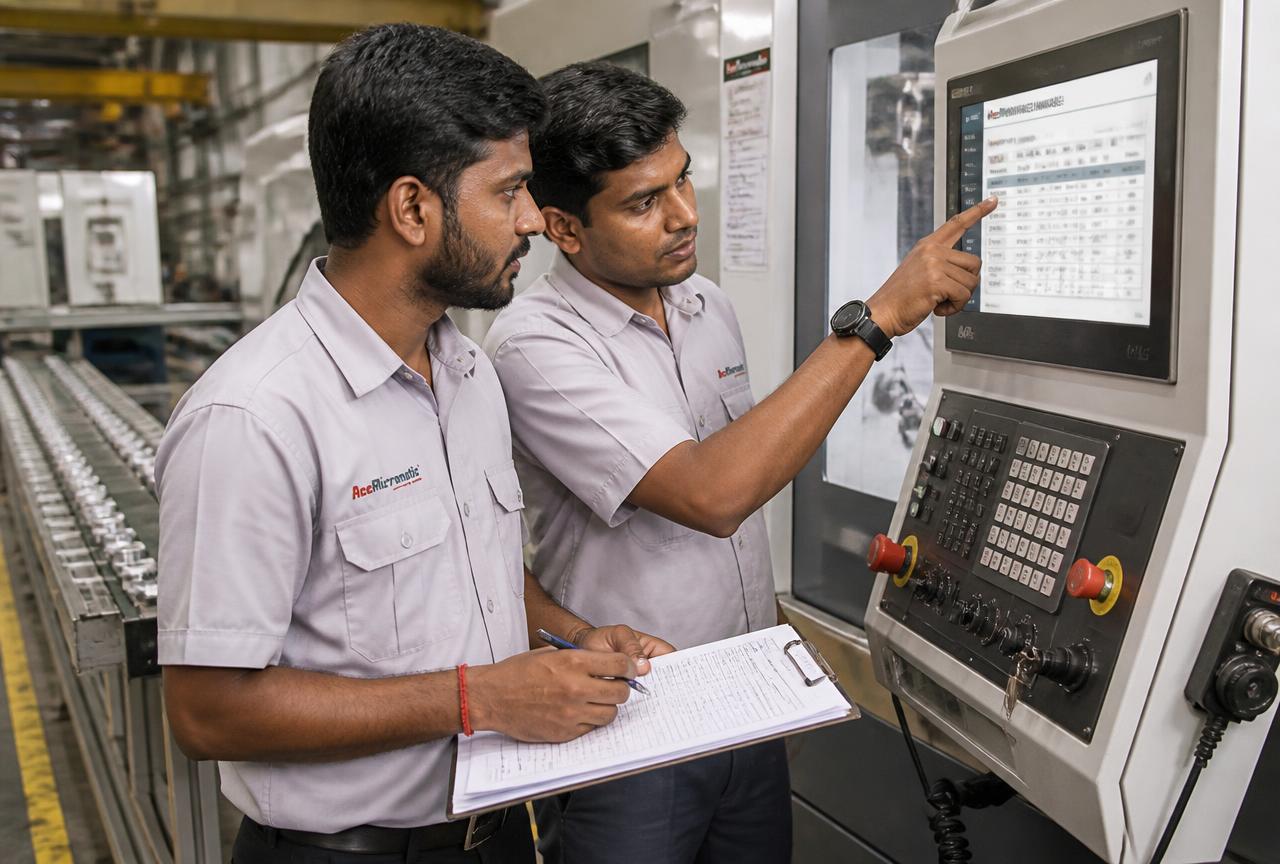
Find warning signs before an issue becomes a major stop, giving teams more time to inspect and plan.
Plan work around equipment condition, production needs, labour, and available shutdown windows.
Rank issues by risk and business impact instead of treating every alert as equally urgent.
Check part availability before planned work to reduce emergency purchases and unnecessary stock.
Link equipment risk with capacity and open orders, so planners see which issue may affect delivery.
Bring machine readings, alerts, repairs, and production events into one timeline for investigation.
Let the system watch defined signals and notify the right team, so staff focus on inspection and repair.
Save the signal, recommendation, approval, and completed action for later review and improvement.
Results depend on data quality, sensor coverage, equipment condition, operating variation, and the failure mode being monitored. Progress is easier to track when maintenance outcomes are reported through insights, analysis and reporting.
Many monitoring tools stop after they show a warning. Mimasa AI connects that warning to the wider manufacturing process.
Equipment risk, production impact, and the approved action stay in one governed record, reviewed by people through data governance and collaboration.
Most plants use a mix of all three approaches. The right choice depends on asset value, failure impact, data availability, and maintenance cost.
| Approach | When Work Begins | Main Strength | Main Limit |
|---|---|---|---|
| Reactive maintenance | After failure | Simple for low-value, non-critical assets | Can cause unplanned downtime and urgent repair costs |
| Preventive maintenance | On a fixed schedule | Easy to plan and standardise | May service healthy equipment or miss problems between checks |
| Predictive maintenance | When data shows rising risk | Supports earlier, condition-based action | Needs useful data, suitable models, and regular review |
An effective system needs more than a model. It should connect four parts, brought into one governed workflow by AI agents and shared dashboards.
Signals must be available, useful, and linked to the correct asset and time.
The same reading can mean different things under different loads, speeds, products, or conditions.
Past failures, inspections, repairs, manuals, and engineer feedback help explain what a signal may mean.
Alerts need an owner, priority, approval path, and next step, or teams only receive more notifications.
See asset risk, open alerts, planned work, and completed actions in one view.
Review signal history, operating context, repeat failures, and maintenance outcomes.
Understand which equipment risks may affect output, quality, cost, or delivery.
See how a possible machine issue could affect capacity and the production plan.
Receive focused tasks with the asset, issue, history, and supporting evidence attached.
Connect plant and enterprise systems, and control data access, deployment, and integrations.
Shared equipment views and maintenance summaries can be published through visualisation and dashboards so every team works from the same record.
The best first use case is not always the most expensive machine. Look for an asset or failure mode with: