
Top 7 Workflow Automation Software Solutions to Maximize Efficiency
Workflow automation software is changing how companies operate. Here is what these tools do, the benefits they deliver and how to choose the right platform for your business.
By Team Mimasa AI · September 2, 2026 · 8 min read
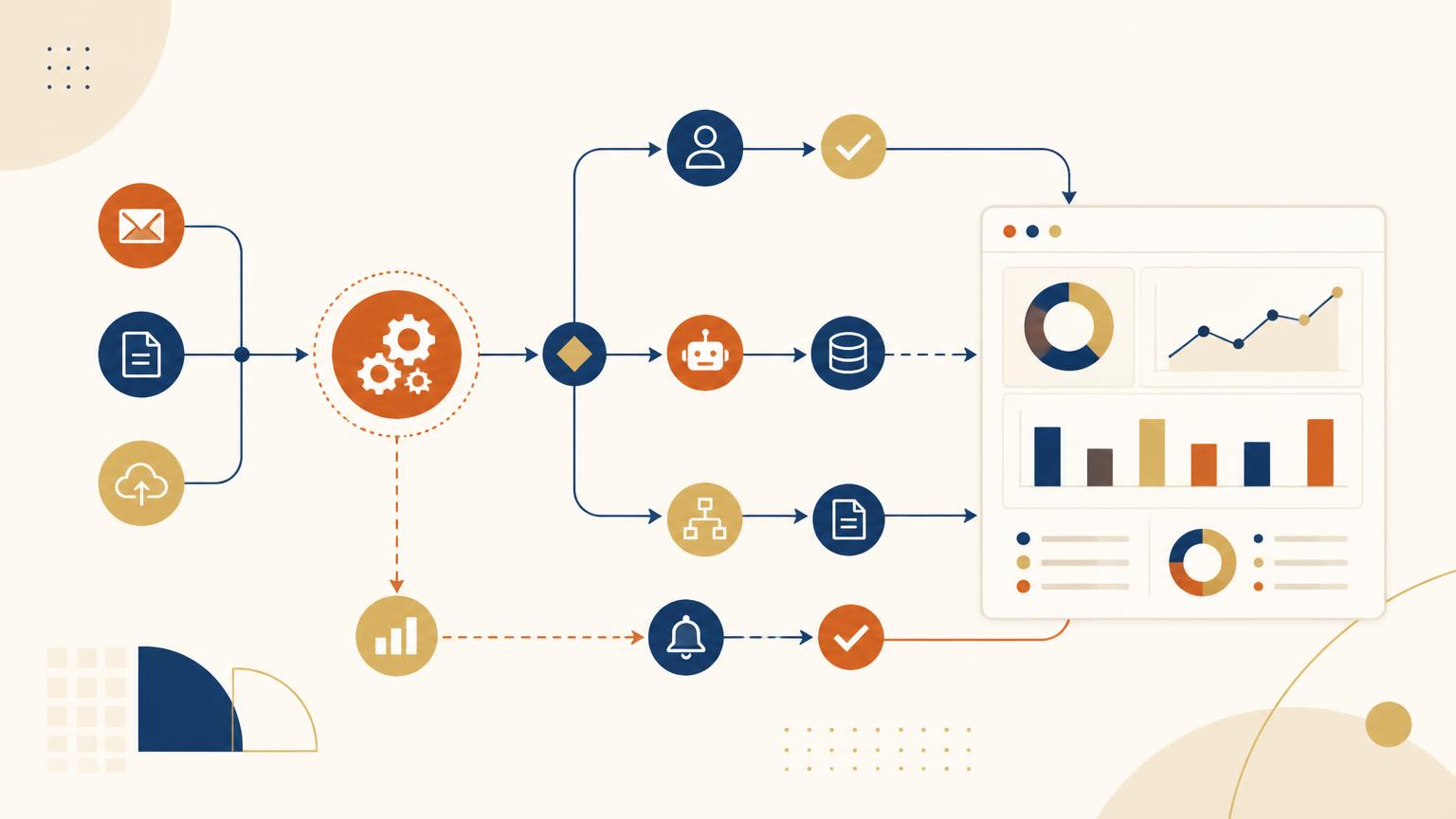
In today’s fast-paced business world, efficiency is key. Workflow automation software is transforming how companies operate by automating repetitive tasks. This technology allows businesses to streamline processes, saving time and reducing costs.
With the rise of AI orchestration automation, enterprises can now handle complex workflows with ease. These tools integrate seamlessly with existing systems, enhancing productivity and accuracy. As a result, businesses can focus on strategic initiatives rather than mundane tasks.
Choosing the right workflow automation solution can be daunting. This article explores the top seven software solutions designed to maximize efficiency. Discover how these tools can revolutionize your business operations and drive success.
What is Workflow Automation Software?
Workflow automation software automates repetitive tasks, making operations smoother. It manages tasks by automating steps like data entry, approvals, and notifications. This streamlines processes, ensures consistency, and boosts productivity.
Common features of workflow automation software include:
- Task management
- Integration with existing systems
- AI-driven insights
- Customizable workflows
- Real-time analytics
These features improve efficiency and support scalability across various industries.
Importance of Workflow Automation in Business
Workflow automation plays a pivotal role in modern enterprises by streamlining operations and enhancing productivity. By reducing manual interventions, businesses can achieve more with fewer resources.
Key reasons for implementing workflow automation include:
- Boosting operational efficiency
- Reducing errors and inconsistencies
- Enhancing employee satisfaction
- Enabling better focus on strategic tasks
These benefits contribute significantly to maintaining a competitive edge in fast-paced business environments, which is why agentic workflow automation has become a board-level priority rather than an IT experiment.
The Benefits of Workflow Automation Software
Workflow automation software offers numerous benefits, transforming the way businesses operate. These solutions eliminate routine tasks, allowing teams to focus on high-value activities. As a result, organizations experience smoother operations and better alignment with strategic goals.
Increased Efficiency
Automation increases efficiency by reducing the time spent on repetitive tasks. Businesses can achieve more with the same resources by:
- Streamlining processes
- Automating task assignments
- Reducing delays in task completion
Cost Savings
Workflow automation reduces operational costs through efficiency gains. Businesses can save money by minimizing manual labor, which helps optimize expenditure and improve profitability.
- Reducing overtime costs
- Lowering error-related expenses
- Minimizing resource wastage
Improved Accuracy
By automating workflows, businesses experience fewer errors and higher accuracy. Consistent execution leads to reliable outcomes, improving overall process quality.
- Minimizing human error
- Enforcing compliance with standards
- Ensuring data consistency
Enhanced Collaboration
Automated workflows facilitate better collaboration among teams. They enable seamless communication and task coordination, fostering a more connected work environment.
- Providing real-time updates
- Centralizing task management
- Streamlining interdepartmental interactions
Types of Workflow Automation Tools
Workflow automation tools come in various forms, each suited to different business needs. From AI-powered systems to platforms requiring no coding skills, these tools cater to diverse operational requirements, enhancing productivity, and efficiency.
AI Automation Tools
AI automation tools leverage artificial intelligence to improve process efficiency. They can learn from data, predict outcomes, and make intelligent decisions. This results in optimized workflows and enhanced productivity. AI tools help in:
- Predicting workflow bottlenecks
- Making data-driven decisions
- Automating complex tasks
Where the work is goal-driven rather than step-driven, teams typically configure autonomous agents in an AI agent builder and let the workflow layer handle orchestration around them.
No Code Workflow Automation Platforms
No code platforms empower users without programming skills to automate workflows. These platforms offer user-friendly interfaces, usually with drag-and-drop features, to simplify process automation. This opens opportunities for team members to automate their tasks independently. Benefits include:
- Quick setup and deployment
- Reducing IT dependency
- Customizing workflows easily
A visual no code workflow builder is usually where business teams start, because a process can be assembled, tested and versioned without waiting for an engineering sprint.
Automated Workflow Software
Automated workflow software helps streamline tasks by managing them through predefined rules and conditions. It reduces manual work and increases accuracy in processes. This software acts as the backbone of modern business operations, optimizing routine tasks seamlessly. Key features include:
- Task scheduling
- Real-time tracking
- Automated notifications
Enterprise Workflow Automation Solutions
Enterprise workflow automation solutions are designed for large organizations, handling complex, large-scale processes. They integrate with existing systems to ensure smooth operations across departments. These solutions support compliance and provide robust security, vital for enterprise environments. Enterprise solutions offer:
- Seamless system integration
- Compliance management
- Scalable frameworks
How to Choose the Right Workflow Automation Tool
Selecting the right workflow automation tool requires understanding your specific needs and how different tools can address them. Evaluating factors like scalability, integration capabilities, and user interface can guide your decision, ensuring that the chosen solution aligns with your business goals.
Assessing Business Needs
The first step is to assess what your business specifically requires. Consider existing challenges and opportunities for automation. Identify areas where automation can enhance efficiency and streamline operations. Focus on:
- Process complexity
- Integration requirements
- Industry-specific needs
Comparing Features and Pricing
Features and pricing are crucial considerations in decision-making. Examine what features are necessary for your operations and compare them against cost implications. Balance between comprehensive capabilities and budget constraints to find a suitable solution. Consider:
- Essential features
- Cost-effectiveness
- Long-term value
Cost predictability matters as much as headline price. Transparent platform pricing with visible per-execution consumption avoids the surprise bills that often follow large-scale rollouts.
Evaluating User Experience
A user-friendly interface can significantly impact adoption rates and efficiency improvements. Evaluate the ease of use, customer support options, and learning curve associated with the tool. These factors ensure that employees can quickly adapt and leverage the software to its fullest potential. Evaluate:
- Interface design
- Training and support
- User feedback and reviews
Case Studies: Success Stories of Workflow Automation
Real-world examples underscore workflow automation’s transformative impact on businesses. These success stories illustrate how various companies have streamlined operations, improved accuracy, and achieved substantial cost savings. The scenarios below are illustrative composites rather than named customers.
Company A: Transforming Operations
Company A implemented a robust workflow automation platform. This change revamped their operations, enhancing efficiency and cutting down processing times. Tasks that once took days now completed in hours, leading to increased productivity. Key improvements included:
- Faster task completion
- Reduced human error
- Streamlined communication
Their transformation showcased the potential benefits of enterprise workflow automation software in a fast-paced business environment.
Company B: Streamlining Processes
Company B faced challenges with fragmented processes across departments. With the introduction of ai workflow automation services, they achieved smooth coordination and better inter-departmental workflows. Collaboration improved significantly, fostering a more unified operation. Results indicated:
- Better information flow
- Enhanced team collaboration
- Integrated system harmony
This case highlights how ai agents workflow automation can lead to streamlined operations and effective process management.
Company C: Achieving Cost Savings
Company C turned to automated workflow software to slash operational costs. The move resulted in a 30% cost reduction within the first year. The software helped eliminate redundant tasks, allowing the company to allocate resources more wisely. Noteworthy outcomes were:
- Significant cost reduction
- Optimized resource management
- Improved service delivery
Their story shows the tangible financial benefits of adopting ai automation tools and automating workflow processes effectively.
Start With One Process, Then Scale
Bring the process that costs your team the most manual hours. We will map where automated workflows, approvals and AI decisions belong, and what the measurable saving looks like.