
7 Surprising Benefits of Invoice Automation You Can’t Ignore
Discover the 7 surprising benefits of invoice automation that can enhance efficiency, reduce costs, and improve cash flow. Learn more about its impact today!
By Team Mimasa AI · September 4, 2026 · 12 min read
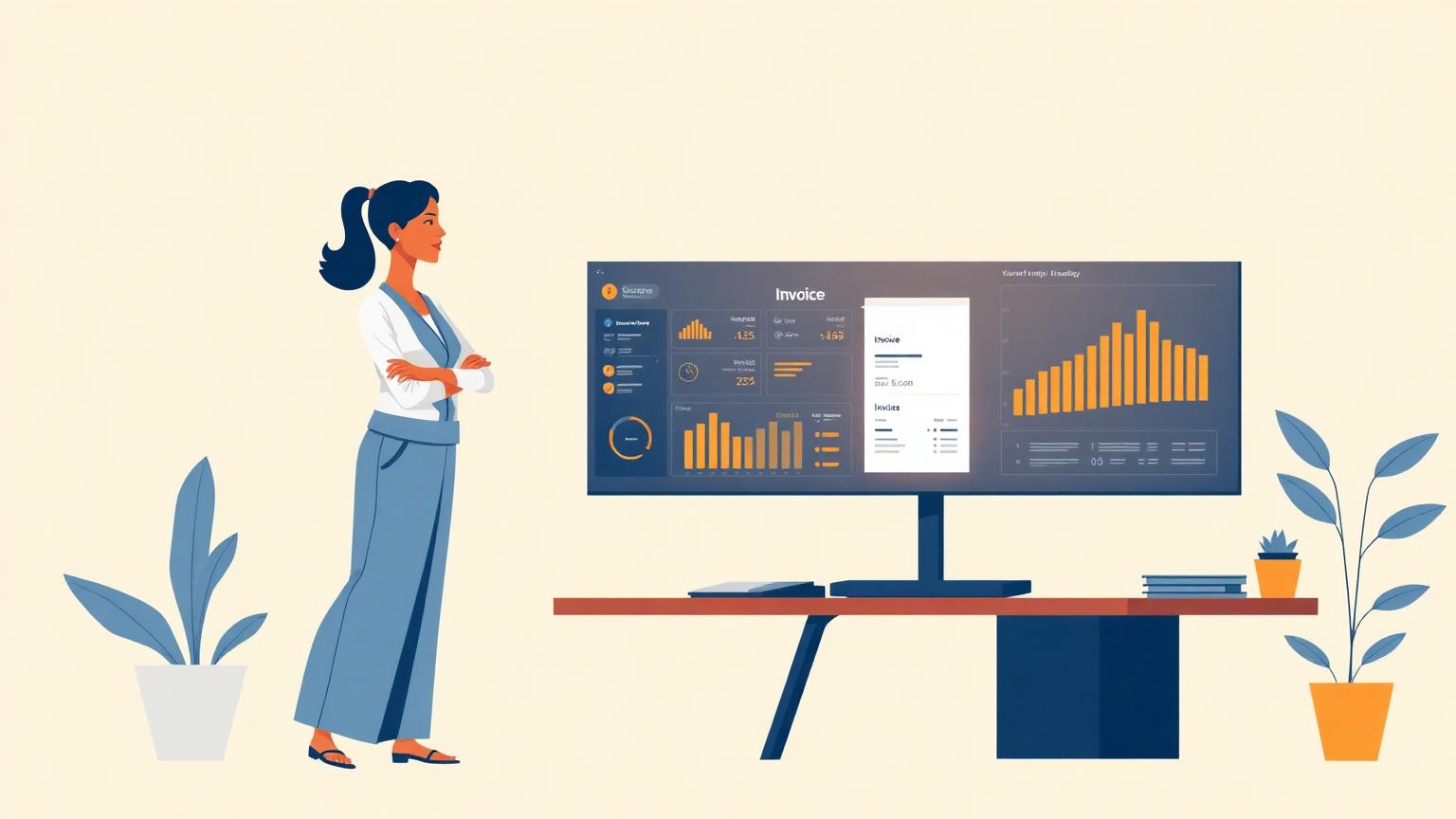
Invoice automation is transforming the way businesses handle their financial processes. It's not just a trend; it's a necessity for modern organizations.
Imagine reducing manual data entry and minimizing errors. That's what invoice automation offers.
This technology streamlines the entire invoicing process. It saves time and cuts costs significantly.
Automated invoice processing software is at the heart of this revolution. It integrates seamlessly with existing systems.
The benefits are clear. Faster approvals, timely payments, and improved cash flow are just the beginning.
Invoice automation solutions enhance visibility and control over accounts payable. They provide real-time tracking and reporting.
Compliance with financial regulations becomes easier. Automation reduces the risk of fraud with strict controls.
Businesses can handle high volumes of invoices efficiently. This leads to better supplier relationships and potential discounts.
Scalability is another advantage. As your business grows, so can your invoice processing capabilities.
Automation supports remote work, enabling digital invoice processing from anywhere. It's a step towards a paperless office.
In this article, we'll explore seven surprising benefits of invoice automation. These are benefits you simply can't ignore.
Definition of Invoice Automation
Invoice automation refers to using technology to manage invoicing processes with minimal human intervention. It significantly reduces the need for manual data entry.
The core of this approach is to streamline tasks that are traditionally tedious and prone to errors. This is achieved through software solutions that handle various aspects of invoice management.
Key features of invoice automation include:
- Automated data extraction from invoices
- Digital invoice approval workflows
- Real-time tracking and reporting
These features revolutionize how invoices are processed. By eliminating manual tasks, businesses experience a reduction in errors.
The integration of invoice automation with existing financial systems is crucial. It enhances efficiency and ensures smooth operations without disrupting current workflows.
Overall, this technological advancement provides an efficient, error-free, and faster way to handle invoices. It transforms accounts payable into a lean and responsive part of the organization.
Importance of Invoice Automation
In today's fast-paced business environment, efficiency is paramount. Traditional invoice processes often fall short in meeting modern demands.
Manual processing of invoices is time-consuming and error-prone. These inefficiencies lead to higher operational costs and strained cash flows.
Invoice automation offers a solution by optimizing the entire invoicing process. It enhances speed, accuracy, and reliability.
Key advantages of invoice automation include:
- Significant reduction in processing time
- Lower chances of errors and discrepancies
- Enhanced visibility into accounts payable status
Implementing invoice automation not only addresses inefficiencies but also improves supplier relationships. Timely payments foster trust and collaboration.
Moreover, it empowers financial teams by allowing them to focus on strategic tasks. Automated systems handle repetitive chores, enabling staff to allocate resources effectively.
In summary, invoice automation is a critical tool for modern businesses seeking efficiency and accuracy. It transforms invoice management from a tedious task into a streamlined process, providing a competitive edge.
Benefit 1: Increased Efficiency
Invoice automation significantly boosts efficiency across financial operations. Automated systems manage tasks that once consumed hours, enabling faster processing.
With automation, teams can focus on strategic initiatives. This shift enhances productivity and supports business growth. As a result, organizations enjoy streamlined workflows and improved operational agility.
Streamlining Invoice Management
Invoice management automation transforms cumbersome processes into streamlined operations. The benefits start with the reduction of manual data entry.
Automated systems capture, process, and verify data with impressive speed and precision. This eliminates human errors and accelerates invoice approvals.
A typical invoice journey involves numerous touchpoints, each a potential delay risk. Automation closes these gaps, ensuring seamless transitions from one stage to the next.
Key features of effective invoice automation include:
- Automated data capture and verification
- Real-time tracking and reporting
- Seamless integration with existing ERP systems
These functionalities result in improved transparency and control. Managers can easily monitor invoice statuses, detect bottlenecks, and resolve issues promptly.
Ultimately, businesses benefit from a more orderly and predictable invoicing process. This predictability is crucial for maintaining healthy cash flows and fulfilling financial commitments on time.
Time Savings in Processing
Time is money, especially in finance. Invoice automation saves valuable time by expediting the processing of invoices.
Manual handling of invoices typically involves several labor-intensive steps. These steps include entering data, verifying accuracy, and routing invoices for approval. Automation simplifies these tasks, reducing them to a matter of clicks.
Automated invoice processing systems leverage advanced technologies. For instance, artificial intelligence and machine learning play pivotal roles.
Such technologies enable faster data capture and validation. They also facilitate automatic matching of invoices with purchase orders and receipts, speeding up the approval process.
Key time-saving features include:
- Automated workflow management
- Instant invoice approval routing
- Real-time exception handling
By freeing up time, automation allows finance teams to focus on value-added activities. Teams can engage in strategic planning and analysis, enhancing organizational performance.
As a result, organizations witness reduced cycle times, from invoice receipt to payment. This boost in efficiency translates into tangible financial benefits. Automated invoice processing not only saves time but also enhances business agility and responsiveness.
Benefit 2: Cost Reduction
Invoice automation dramatically cuts costs, offering a significant return on investment. By reducing manual work, businesses save on labor expenses and minimize errors that can lead to costly rework.
Organizations utilizing invoice automation solutions find remarkable reductions in processing costs. These systems allow companies to optimize resources, increasing overall financial health and sustainability.
Lower Operational Costs
Automating invoice processes leads to substantial reductions in operational costs. Companies can replace costly manual labor with efficient automated systems. This transition not only cuts labor costs but also enhances output quality.
Manual invoice processing involves numerous tasks that consume both time and money. Data entry, verification, and approval are labor-intensive. Automation consolidates these steps, eliminating redundancies and streamlining operations.
This technology drastically reduces the need for paper-based processes. By going digital, companies save on printing, postage, and storage expenses. This move towards a paperless environment also aligns with sustainability goals.
Crucial benefits of reducing operational costs include:
- Less reliance on manual labor
- Decreased paper and storage expenses
- Minimal need for temporary staffing during peak periods
Automation systems also improve error detection and correction capabilities. These improvements prevent costly mistakes, such as duplicate payments or overpayments. Automated systems provide alerts and detailed reports, ensuring issues are caught and corrected early.
As automation takes over routine tasks, finance teams can focus on core business activities. This shift allows organizations to allocate resources more effectively. Ultimately, the reduction in operational costs supports better budgeting and financial planning.
Savings with Invoice Automation Software
Investing in invoice automation software offers substantial savings. These systems optimize invoice processing and reduce overall expenses. Beyond operational cost savings, businesses witness additional financial benefits.
Automated systems minimize the risk of late payment penalties, as invoices are promptly processed. They also facilitate access to early payment discounts from vendors. These discounts can accumulate to form significant savings over time.
Moreover, invoice automation helps prevent fraud. By implementing strict controls and tracking mechanisms, businesses reduce financial risks. These protective measures avert unauthorized transactions, safeguarding company funds.
Key savings with invoice automation software include:
- Fewer late fees and penalties
- Access to early payment discounts
- Strong fraud prevention measures
Moreover, automated systems reduce the need for physical storage of documents. Transitioning to a digital platform eliminates costs associated with filing, archiving, and retrieving paper invoices.
Given these advantages, the return on investment for automation systems is clear. Businesses can reinvest savings into growth initiatives, driving continuous improvement.
Overall, implementing invoice automation software leads to substantial financial gains. These systems provide cost-effective solutions, enabling more efficient financial operations. Organizations enjoy better resource allocation, contributing to long-term financial success.
Benefit 3: Enhanced Accuracy
Invoice automation drastically improves the accuracy of financial data. Manual entry errors decrease, creating more reliable and precise records. This accuracy is crucial for informed decision-making.
By reducing human error, organizations experience smoother operations. Automated systems ensure consistent data handling, leading to better financial integrity and trust.
Reducing Human Error
Human error is a significant risk factor in manual invoice processing. Typographical mistakes, duplicate entries, and incorrect data are common pitfalls. Each error can disrupt workflows, leading to financial misstatements or compliance issues.
Automated invoice processing minimizes these risks by using advanced algorithms for data entry. These algorithms improve precision and reduce the probability of mistakes. Automated systems also validate information against predefined rules, catching discrepancies early.
Implementing automation solutions ensures all invoices adhere to company and regulatory standards. These solutions maintain data accuracy through automatic checks and balances. They flag inconsistencies, allowing immediate corrections.
Key ways automation reduces human error include:
- Utilizing validation checks during data entry
- Automating repetitive manual tasks
- Creating consistent data formats and reports
The system's real-time capabilities enable continuous monitoring and swift error correction. This proactive approach keeps financial data accurate and reliable.
Furthermore, automation's error reduction frees up staff for strategic tasks. Employees can shift focus to analysis and decision-making rather than manual corrections. This shift enhances productivity and maintains a high level of operational reliability.
Automated Invoice Processing Software Features
Automated invoice processing software comes with robust features that enhance operational accuracy. These features ensure that invoices are processed with minimal human intervention and maximum precision.
One primary feature is intelligent data capture. By using optical character recognition (OCR) and machine learning, these systems extract data accurately from invoices. This technology ensures that information is seamlessly input into financial systems without errors.
Automated software also includes advanced matching capabilities. It automatically matches invoices to purchase orders and receipts. This feature reduces discrepancies and confirms that everything aligns before payment approval.
Here are some notable features of these systems:
- Intelligent data capture using OCR
- Automatic invoice matching with purchase orders
- Real-time monitoring and alerts for discrepancies
Audit trails and logs are integrated into the system, further strengthening accuracy. These records allow clear tracking of each invoice's journey, offering transparency and accountability.
Another powerful feature is custom rule-setting. Businesses can configure the software to follow specific processes. This customization ensures that all actions conform to organizational policies and industry standards.
Finally, automation software provides predictive insights based on historical data analysis. These insights guide future decisions, empowering strategic planning with accurate data.
Overall, these features reduce errors, improve compliance, and contribute to a more accurate invoicing process. Automated systems thus support financial stability and operational excellence.
Benefit 4: Improved Cash Flow
Invoice automation leads to better cash flow management. It streamlines the payment process, resulting in faster transaction cycles. Businesses experience more timely cash inflow and outflow.
Automated systems expedite invoice handling, improving liquidity. This enhanced cash flow stability empowers organizations to seize new opportunities without financial constraints.
Faster Payments
Delayed payments can cripple business operations and harm vendor relationships. With invoice automation, payments become prompt and streamlined. By implementing automation, businesses can drastically reduce their accounts payable turnaround time.
Automated systems ensure invoices are processed immediately upon receipt. These systems use predefined workflows to route invoices for approval without delays. This promptness eliminates bottlenecks often encountered with manual processing.
Key benefits of faster payments through automation include:
- Early payment discounts from vendors
- Enhanced supplier relations due to timely transactions
- Reduced penalty fees from late payments
By setting up automated notifications, businesses can follow up on pending approvals, keeping the payment process moving. Automation minimizes human intervention, significantly reducing the cycle time from invoice receipt to payment.
The system also conducts automatic matching, ensuring invoices align with purchase orders before payment. This feature strengthens accuracy, eliminating the need for tedious manual reconciliations.
Moreover, faster payments foster a more agile financial environment, enabling better cash position forecasting. Businesses can plan more effectively, reduce borrowing needs, and maintain financial agility.
Lastly, the ability to process payments swiftly contributes to strategic supplier engagements and negotiation power. This operational efficiency builds a more resilient and responsive finance function, bolstered by technological innovation.
Accounts Payable Invoice Automation Impact
Accounts payable departments often face challenges maintaining a seamless payment process. Invoice automation addresses these issues with ease by transforming how accounts payable operates. The impact is both significant and multifaceted.
Automated invoice systems empower accounts payable teams to operate efficiently with less manual work. This efficiency translates to cost savings, as labor-intensive tasks are minimized. Automation software captures data quickly, pushing invoices through validation and approval stages.
Noteworthy impacts of accounts payable invoice automation include:
- Streamlined operations with less labor demand
- Improved accuracy through automated invoice validation
- Faster processing times and quicker payments
These systems also offer real-time visibility into payment statuses, enhancing decision-making. With automation, finance teams gain detailed insights into spending patterns, enabling targeted cash management strategies.
Advanced reporting features allow for performance monitoring, providing valuable data-driven insights. These insights aid in streamlining processes and identifying areas for improvement. Automation ensures every invoice is accounted for, reducing the risk of fraud or lost documents.
Moreover, accounts payable teams benefit from enhanced compliance with regulatory requirements. Automated systems maintain detailed audit trails, simplifying audits and reducing compliance risks. The automation process aligns with international standards, ensuring global operational harmony.
Finally, accounts payable automation aids in aligning financial goals with company objectives. By leveraging automated solutions, organizations can maintain financial health and strategic agility. The positive impact on accounts payable enhances overall organizational resilience, driven by an efficient and reliable financial function.
Benefit 5: Better Compliance
Invoice automation enhances compliance effortlessly. Automated systems maintain accurate records and streamline audits. This leads to reduced regulatory risks for organizations.
Businesses gain a higher level of accuracy and control. Automation ensures adherence to financial standards and regulations, safeguarding against penalties or legal issues.
Streamlined Records and Audits
Maintaining accurate and accessible records is essential for any business. Invoice automation simplifies this process by creating a digital trail for every transaction. These systems organize and categorize invoices automatically, ensuring records are detailed and easily retrievable.
By digitizing invoices, businesses reduce the clutter and inefficiencies associated with paper documents. This transformation results in a faster and more reliable record-keeping system. Companies can quickly access past invoices when needed, saving time during audits.
Some of the advantages of streamlined records through automation include:
- Enhanced accuracy and consistency in record-keeping
- Lower risks of data entry errors and misplaced documents
- Simplified record retrieval for audits and compliance checks
Automated systems also offer advanced search features, allowing businesses to find specific invoices with ease. These robust systems ensure that all documents meet regulatory standards, reducing compliance risks.
Furthermore, automated solutions support auditors by providing real-time access to all financial records. This access facilitates more thorough and less intrusive audits. Auditors can confidently confirm compliance, knowing records are complete and accurate.
Businesses also benefit from configurable audit trails, which detail every step taken in the invoice management process. These trails offer transparency and accountability, demonstrating compliance to stakeholders and regulators alike.
In summary, invoice automation enhances the recording and auditing process, driving better compliance. Organizations gain a competitive edge, upholding integrity and trust in their financial operations.
Invoice Processing Automation and Compliance
Automation in invoice processing supports robust compliance measures seamlessly. These systems not only streamline operations but also enforce adherence to necessary regulations. They offer built-in controls, ensuring every invoice meets compliance criteria before payment.
Automated systems provide comprehensive compliance tools, including:
- Pre-defined workflows that enforce approval hierarchies
- Real-time monitoring to detect anomalies or fraud
- Detailed audit trails for full transparency and accountability
By leveraging these features, businesses can significantly mitigate compliance risks. The systems are designed to adapt to regulatory changes, offering continuous alignment with the latest requirements. This flexibility is invaluable for organizations operating in multiple jurisdictions with varied regulations.
Incorporating invoice automation reduces the burden on finance teams to manually track compliance. These systems automatically update with new regulatory guidelines, ensuring ongoing conformity without manual intervention. Businesses can thus focus on strategic operations, knowing compliance is automatically maintained.
Real-time compliance monitoring also enhances financial governance, providing organizations with insights into potential areas of risk. With automated alerts, finance teams can address issues proactively, avoiding costly penalties or violations.
Another advantage of invoice processing automation is the ability to provide thorough documentation for compliance audits. Detailed records and process logs demonstrate an organization's dedication to meeting legal standards. This transparency fosters trust with partners, regulators, and customers alike.
Ultimately, invoice automation serves as a critical compliance ally, helping businesses navigate complex regulatory landscapes effortlessly. By ensuring consistency and accuracy in their financial processes, organizations can protect their reputations and focus on growth and innovation.
Benefit 6: Scalability
Invoice automation provides seamless scalability for businesses. As companies grow, automated systems easily handle increasing invoice volumes without strain or delay. This flexibility ensures businesses can scale operations efficiently, supporting expansion without additional overhead.
Automated solutions adjust to changing needs, offering robust support for evolving business requirements. By automating invoice processes, companies maintain consistent performance and service quality, even during rapid growth phases.
Adapting to Business Growth
Expanding businesses face the challenge of increased operational demands. Automation is a crucial ally in scaling invoice processes. It handles large volumes of transactions without compromising on speed or accuracy. As a business grows, its invoice volume can multiply rapidly, often overwhelming traditional systems.
Automated invoicing adapts effortlessly, ensuring that the growth in invoice volume doesn't impact processing efficiency. This capability reduces the need for a proportional increase in staffing, keeping operational costs manageable. Businesses benefit from this adaptability, maintaining smooth operations and customer satisfaction.
Some of the key aspects of adapting automation to business growth include:
- Flexible systems that adjust to increased demands
- Enhanced processing capabilities without additional resources
- Consistent efficiency regardless of business size
Additionally, automation supports integration with existing systems and technologies, facilitating seamless transitions during expansions. This integration ensures that the business infrastructure remains cohesive, preventing data silos. Automated solutions are designed to align with strategic growth objectives, providing infrastructure support.
Moreover, scalable invoice automation solutions often include data analytics tools. These tools offer insights into business performance, highlighting areas for improvement or optimization. Companies can leverage these insights to drive informed strategic decisions, supporting sustained growth.
With automation, businesses gain a partner capable of growing alongside them. The systems evolve with the organization, ensuring that the invoicing process remains streamlined and effective, regardless of scale or complexity.
Choosing the Right Invoice Automation Solution
Selecting the right invoice automation solution is crucial to maximizing scalability benefits. Each business has unique needs, and finding a system that aligns with these is vital. The right solution provides flexibility, support, and features tailored to specific operational requirements.
When choosing a solution, businesses should consider several critical factors. First, the platform's ability to integrate with existing software and systems is vital. Seamless integration minimizes disruptions and enhances productivity. Platforms that offer this integration are typically easier to implement and maintain.
Consider evaluating:
- The platform's scalability and adaptability
- Integration capabilities with current systems
- User-friendliness and required training levels
Additionally, the solution should be user-friendly, reducing the need for intensive training. Ease of use enhances employee adoption, ensuring the system is fully utilized. Solutions offering user-friendly interfaces typically see quicker and smoother transitions.
Support services provided by the vendor are also important. Comprehensive support ensures that any issues are quickly resolved, reducing downtime and maintaining business continuity. Choose vendors committed to customer success with reliable support and service packages.
Cost is another consideration, though it's essential to view it in the context of potential savings and efficiency gains. A slightly higher upfront cost may pay off in long-term savings and operational improvements. Analyzing total cost of ownership, including setup and maintenance, provides a realistic understanding of the investment required.
In conclusion, choosing the right invoice automation solution involves careful evaluation of features, scalability, integration, and support. By selecting a platform that aligns with organizational goals, businesses can ensure that their invoicing processes remain effective as they grow.
Benefit 7: Comprehensive Analytics
Invoice automation systems offer detailed insights into financial operations. They provide real-time data, helping businesses make informed decisions. These analytics enhance understanding of invoicing trends, cash flow, and overall performance.
Automation tools compile data from various processes, painting a clear picture of financial health. This data-driven approach supports strategic planning and operational adjustments, fostering continuous improvement and growth.
Monitoring Invoice Processing Performance
Monitoring invoice processing performance is critical for optimizing financial workflows. Automated systems excel in this area, offering features that track each step of the invoicing process. These systems provide instant visibility into how invoices are processed, approved, and paid.
A key advantage of using automation for performance monitoring is the ability to track metrics automatically. These metrics could include average processing time, approval bottlenecks, and payment delays. Analyzing these metrics helps identify inefficiencies.
The insights gained can lead to significant improvements. Businesses can reallocate resources, refine processes, and enhance efficiency based on this data. This proactive approach minimizes disruptions and ensures smooth operations.
Moreover, comprehensive dashboards and reports provide a consolidated view of performance metrics. Decision-makers can access these dashboards at any time, gaining insights into current operations. This accessibility enables quick, informed decision-making.
In conclusion, monitoring invoice processing through automation transforms raw data into actionable intelligence. This empowers businesses to enhance performance, reduce costs, and maintain operational excellence. By leveraging these insights, companies can achieve better financial outcomes and sustain long-term success.
Insights from Automated Invoice Processing System
Automated invoice processing systems are not just about speed and accuracy; they also deliver valuable insights. These systems transform routine financial data into strategic intelligence, providing a competitive edge.
One essential aspect is the ability to analyze spending patterns. Automated systems can highlight trends, helping businesses identify cost-saving opportunities. Recognizing these patterns enables smarter budget allocations and expense management.
Additionally, understanding supplier dynamics is crucial. Automated systems can provide insights into supplier performance, terms, and reliability. Such data supports negotiations and strengthens supplier relationships.
The systems also facilitate compliance tracking by offering clear audit trails and records. This transparency ensures adherence to regulatory standards and simplifies audit preparations. Comprehensive records make audits less daunting and more efficient.
Furthermore, these systems contribute to risk management. By identifying anomalies and discrepancies early, businesses can prevent potential fraud or errors. Early detection of these issues mitigates risks and protects financial integrity.
Lastly, through detailed reports and analytics, businesses gain a comprehensive overview of their accounts payable landscape. This holistic view allows for better cash flow management and financial planning.
In essence, the insights from automated invoice processing systems pave the way for informed decision-making. They bolster operational strategy by providing clear, data-driven directions, ensuring business agility and resilience.
Conclusion
Invoice automation stands as a transformative force in financial management. By streamlining processes, it bridges the gap between complexity and simplicity. This change catalyzes improved efficiency across the board. Automating invoices eliminates redundant manual tasks. Consequently, finance teams can focus on more strategic objectives.
Moreover, the reduction in operational costs is substantial. Automation not only slashes expenses but also boosts accuracy significantly. These improvements have a direct positive impact on a company's bottom line. Furthermore, enhanced cash flow ensures timely payments and strengthens financial stability.
The adaptability of these solutions supports growth in businesses of all sizes. Scalability ensures that automation remains viable as businesses expand. Additionally, comprehensive analytics empower decision-makers with critical insights. These insights drive better financial planning and resource allocation.
In summary, the benefits of invoice automation extend far beyond convenience. They offer tangible, strategic advantages. A robust automated system paves the way for improved financial governance. It equips businesses to navigate the future with confidence and agility.
Recap of Key Benefits
To highlight the transformative nature of invoice automation, let's revisit the key benefits:
- Efficiency: Streamlining processes, saving time, boosting productivity.
- Cost Savings: Reduced processing costs, optimized resource use.
- Accuracy: Minimized errors, improved financial reliability.
By adopting these advanced systems, companies can achieve a comprehensive transformation. As a result, they pave a smoother path toward financial success.
Call to Action for Implementing Invoice Automation
Embracing invoice automation can revolutionize your financial operations. It's more than just a trend; it's a strategic necessity. Businesses aiming to enhance efficiency and accuracy should consider these systems.
Start by evaluating your current invoicing challenges. Identify the areas where automation can make a difference. Then, choose a solution that aligns with your specific business needs and goals.
Take the first step towards a streamlined invoicing process. Implementing an automated solution today can yield substantial benefits tomorrow. Empower your team with tools that drive productivity and boost overall financial health.
Automate Your Invoice Processing With Mimasa AI
See how agentic automation captures, validates, and routes your invoices end to end — and what it would save your finance team every month.